
Exploring the Strengths, Differences, and Synergies Between Conventional and Holistic Approaches to Medicine
Chesed Medical PLLC | Bessie Stewart, Operations Lead
October 26, 2026 · 4 min read
Introduction
In today's rapidly evolving healthcare landscape, individuals seeking optimal well-being have access to a variety of medical philosophies. Two of the most influential and widely discussed approaches are traditional medicine—often called conventional or Western medicine—and holistic medicine, which encompasses a range of complementary and alternative practices. Understanding the principles, benefits, and distinctions between these approaches can help patients make informed decisions about their health and wellness journeys.
At Chesed Medical PLLC in Plano, TX, we believe in empowering individuals through education and comprehensive care that honors both evidence-based treatment and whole-person well-being.
1. What is Traditional Medicine?
Traditional medicine, in the context of modern healthcare, typically refers to evidence-based practices rooted in scientific research. Also known as allopathic or conventional medicine, this system is practiced by licensed healthcare professionals such as physicians, nurses, and specialists. Its primary characteristics include:
Diagnostic Tools: Utilizing advanced laboratory tests, imaging technologies, and standard clinical protocols.
Medical Treatments: Prescribing medications, surgical interventions, and other standardized procedures to treat or cure diseases.
Specialization: Providers often focus on specific organs, diseases, or aspects of the human body for highly targeted care.
Regulation & Training: Strict standards for education, licensure, and ongoing professional development.
Strengths: Traditional medicine excels at managing acute illnesses, infections, trauma, and emergencies. The rigorous research framework ensures that interventions are safe and effective for the majority of patients.
2. What is Holistic Medicine?
Holistic medicine, by contrast, views health as a balance of physical, emotional, mental, social, and sometimes spiritual well-being. Instead of narrowly targeting symptoms, holistic practitioners emphasize underlying causes, preventative care, and lifestyle modifications.
Holistic medicine may incorporate:
Integrative Therapies: Acupuncture, herbal medicine, chiropractic care, massage therapy, and energy healing.
Mind-Body Practices: Yoga, meditation, mindfulness, and stress-reduction techniques.
Nutrition and Lifestyle: Diet, exercise, sleep hygiene, and environmental health.
Patient-Centered Approach: Encouragement of self-awareness, active participation, and individualized care plans.
Strengths: Holistic medicine is particularly effective for chronic conditions, stress management, and promoting long-term wellness by addressing the root causes of illness rather than just alleviating symptoms.
3. Key Differences Between Traditional and Holistic Practices
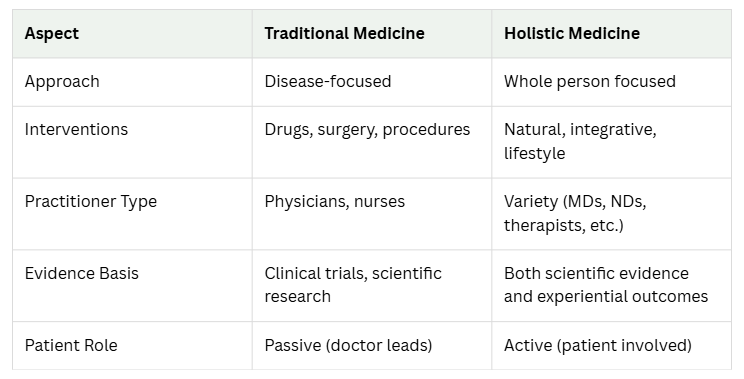
4. Areas of Synergy: Bridging Traditional and Holistic Medicine
Increasingly, modern healthcare settings recognize the mutual benefits of integrating traditional and holistic modalities—a practice known as integrative medicine. For example:
Pain Management: Combining pain relievers with acupuncture or physical therapy can augment outcomes and reduce reliance on medications.
Chronic Disease Care: Pairing pharmaceutical approaches for diabetes or hypertension with nutritional counseling, stress management, and tailored exercise routines.
Mental Health: Psychotherapy and medication, combined with mindfulness-based techniques and social support, foster resilience and emotional wellness.
At Chesed Medical PLLC, our philosophy is to blend the strengths of science-based treatments with compassionate, holistic attention to our patients' unique needs.
5. Patient Empowerment and Personalized Care
One of the primary advantages of holistic medicine is that it actively involves patients in their health journey. This collaborative, education-rich approach ensures:
Informed Decision-Making: Patients understand all available treatment options, risks, and benefits.
Self-Care & Prevention: Emphasis on nutrition, lifestyle, and self-awareness fosters habits that can prevent illness and enhance vitality.
Long-Term Relationships: Continuity of care and open communication between patients and providers encourage trust, adherence, and better outcomes.
6. When to Seek Each Approach
Traditional Medicine: Best for acute conditions, infections, traumas, and scenarios where immediate, evidence-based medical intervention is critical.
Holistic Medicine: Ideal for preventive care, chronic disease management, stress reduction, and achieving overall balance and resilience.
Many patients find the most benefit from combining both, cultivating a partnership between various healthcare providers and fostering a comprehensive wellness plan.
7. Common Holistic Practices Explained
Acupuncture: Ancient Chinese technique that stimulates specific points on the body, shown to reduce pain and improve well-being.
Herbal Medicine: The use of plants and natural extracts to support healing—requires professional guidance to ensure safety and effectiveness.
Yoga and Meditation: Mind-body practices that improve flexibility, reduce stress, and enhance mental clarity.
Nutritional Therapy: Personalized plans to address deficiencies, manage chronic diseases, and promote healthy weight.
Conclusion: Choosing the Best Path for Your Health
As healthcare continues to evolve, the value of both traditional and holistic medicine is increasingly recognized. By understanding their strengths and how they can work together, patients are empowered to take charge of their health journey. At Chesed Medical PLLC, we prioritize education, compassion, and comprehensive care, helping individuals and families in Plano, TX, achieve lasting wellness through informed, balanced choices.
Ready to learn more or take the next step in your health journey? Visit Chesed Medical PLLC to discover our services and schedule a personalized consultation.
References & Further Reading
National Center for Complementary and Integrative Health (NCCIH)
Mayo Clinic: Integrative Medicine
World Health Organization: Traditional Medicine Strategy
